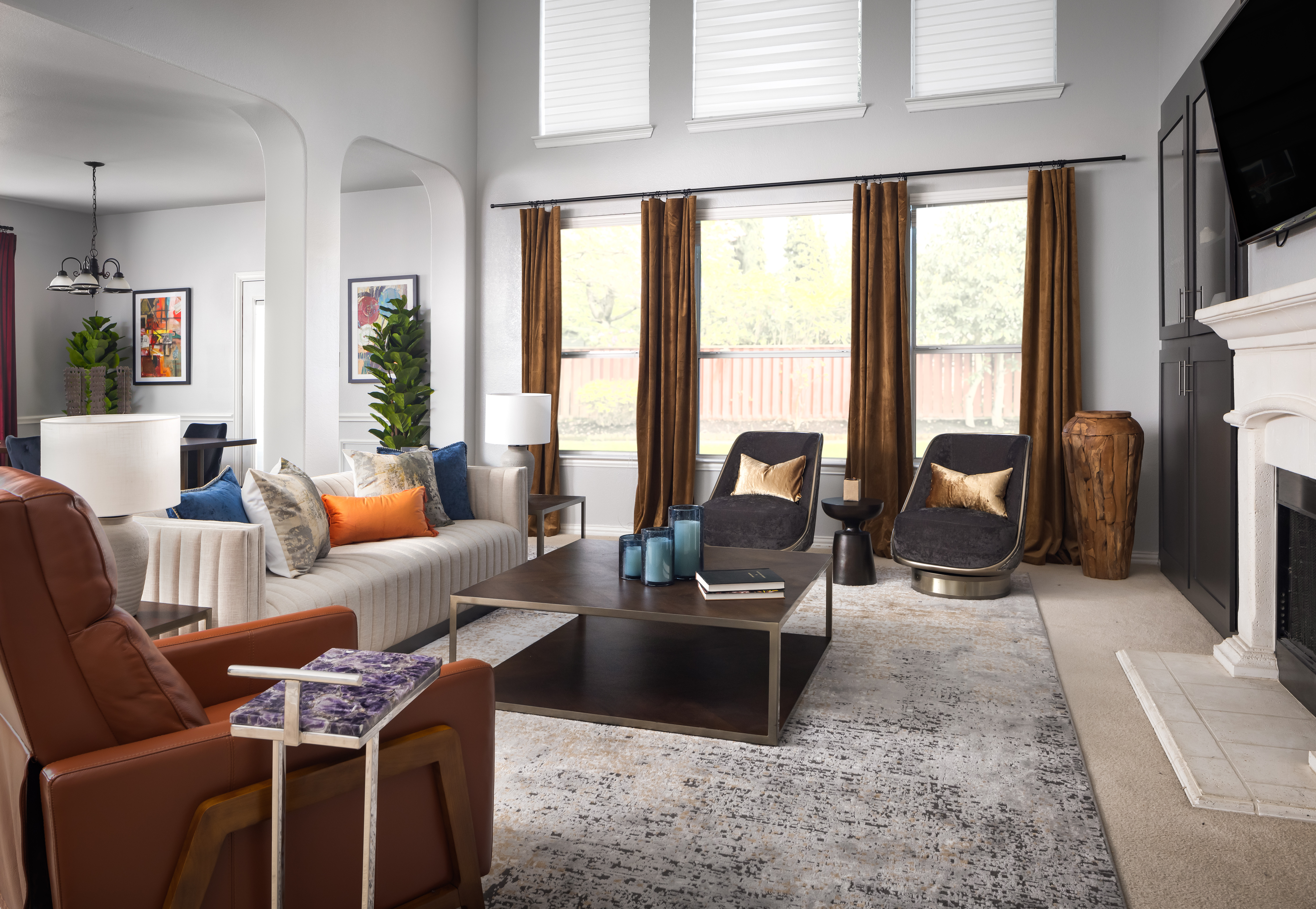
As part of our Designing With series, the American Society of Interior Designers (ASID) highlights designers who lead with listening, collaboration, and cultural understanding. Each story explores how heritage, identity, and lived experience shape the way we design and the way communities experience space.
When we design with people at the center, spaces become more than beautiful environments. They become reflections of history, belonging, and possibility. Through this series, we celebrate the designers who honor that responsibility and help carry our profession forward with intention.
In this conversation, Veronica Sanders, ASID, RID, NCIDQ shares how togetherness, storytelling, and legacy influence her approach and the spaces she creates.
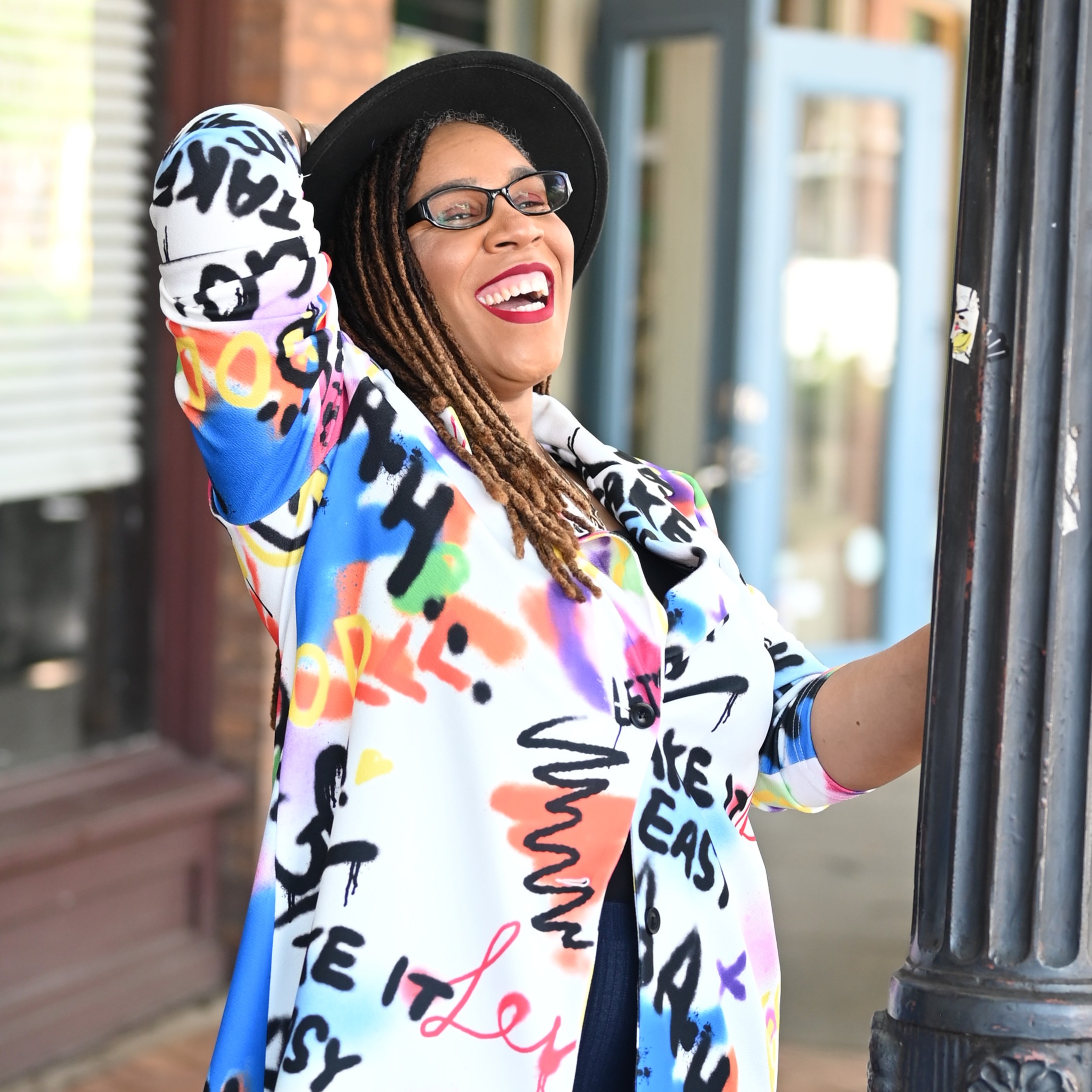
On Heritage & Community
Q: When working with black communities, what cultural values or traditions have influenced your design approach?
Togetherness. Growing up, finding time to come together to celebrate life and community milestones has always been important. In my design approach, I find places to bring people together, whether at the dining table or for collaboration at work.
What does “designing with” rather than “designing for” mean to you?
It means shared voices, ideas and lived experiences to create thoughtful, impactful and intentional design.
On Process
Q: How do you involve the community in shaping the design process?
Design begins with listening. I gather information during site walk-throughs and storytelling about how they live, work and play. I always come back to that as the driving force for the design. I also source from local artisans whenever possible to keep dollars circulating.
Can you share a moment when listening to the community shifted or reshaped your project direction?
I walked in thinking the project was simple furniture selections. I sat down and heard a father’s story. A burn survivor. A single dad raising an autistic son and a teenage daughter. The brief shifted the moment I listened.
Comfort became the priority. We chose textiles for softness and durability. We shaped edges with safety in mind. We layered colors that calmed the nervous system. We placed cultural art that felt like home. Every choice protected health, safety, and welfare.
That experience affirmed my philosophy. I start with needs. I weave wants in with care. Lived experience leads the plan. Craft brings the elevation. The space becomes a vessel for who they are and who they are becoming.
Q: What role does storytelling play in co-creating spaces with the communities you serve?
Storytelling is the blueprint to the design process. It’s the foundation on which we begin, where we lead our design decisions, and when done right, is the language that keeps speaking long after the design is completed. People feel it before they name it.
On Inspiration & Impact
Q: How has working with black communities influenced your personal design philosophy?
It reminded me of the importance of legacy. So much of our history was lost, so when I have an opportunity to create a new design and weave their story into the space, it's like writing a new page in their personal history book. I want it to last, be passed down, captured in memories. I create spaces that restore, honor their lifestyles, and carry their legacy forward.
Q: What design element, material, or practice did you learn through collaboration that you now carry into other projects?
Color sets the tone. It shapes mood, movement, and focus. I watch how a client breathes when a hue enters the room. If shoulders drop, we’ve found a home.
Deep, saturated jewel tones and earth tones ground the space. Emerald, navy, turquoise, terracotta, burgundy, and rich browns invite calm and belonging. Neutrals give the eye rest. Strategic placement guides flow and supports attention. This is color theory in practice. It shows me how people will gather, how they will work, how they play and feel comfort. I carry this approach into every project.
Q: What impact do you hope your work leaves on the communities you partner with?
Legacy. Authenticity. Intention. I want families to feel safe and seen. I want communities to feel pride. I want spaces that age with grace and still tell the truth. If the work nurtures dignity and invites connection, we did what we came to do.
On Legacy & Future
Q: How do you see co-creation shaping the future of interior design as a field?
Co-creation is the future because rooms that listen create better cities. I look at co-creation like the circle of life. Everyone has their part to play in the bigger picture. Designers carry the pen. Communities carry the story. Together we author environments that anchor growth and preserve culture. The deliverable becomes a living guide the community can steward long after install. A documented story of design decisions. Collaboration over competition. Shared wisdom with a shared vision.
Q: What advice would you give to other designers seeking to build authentic relationships with the communities they design with?
Come as a learner, stay as a listener, move as a trusted partner. Ask probing, sometimes personal, questions to get to the root as our shared goal should be solution-driven. Work with local artisans when the design calls for it and honor the craft. Choose teams that value your time, your expertise, and your vision. Co-lead with intention. Translate needs into beauty without compromising health, safety, and welfare. Leave the community with tools to sustain the work.